
A Useful Soil Test Starts Before the Sample Bag
Divide the farm into decisions, not convenient buckets. A repeatable sampling plan is the first input worth buying.
United States; regional extension context, adapt with local advice
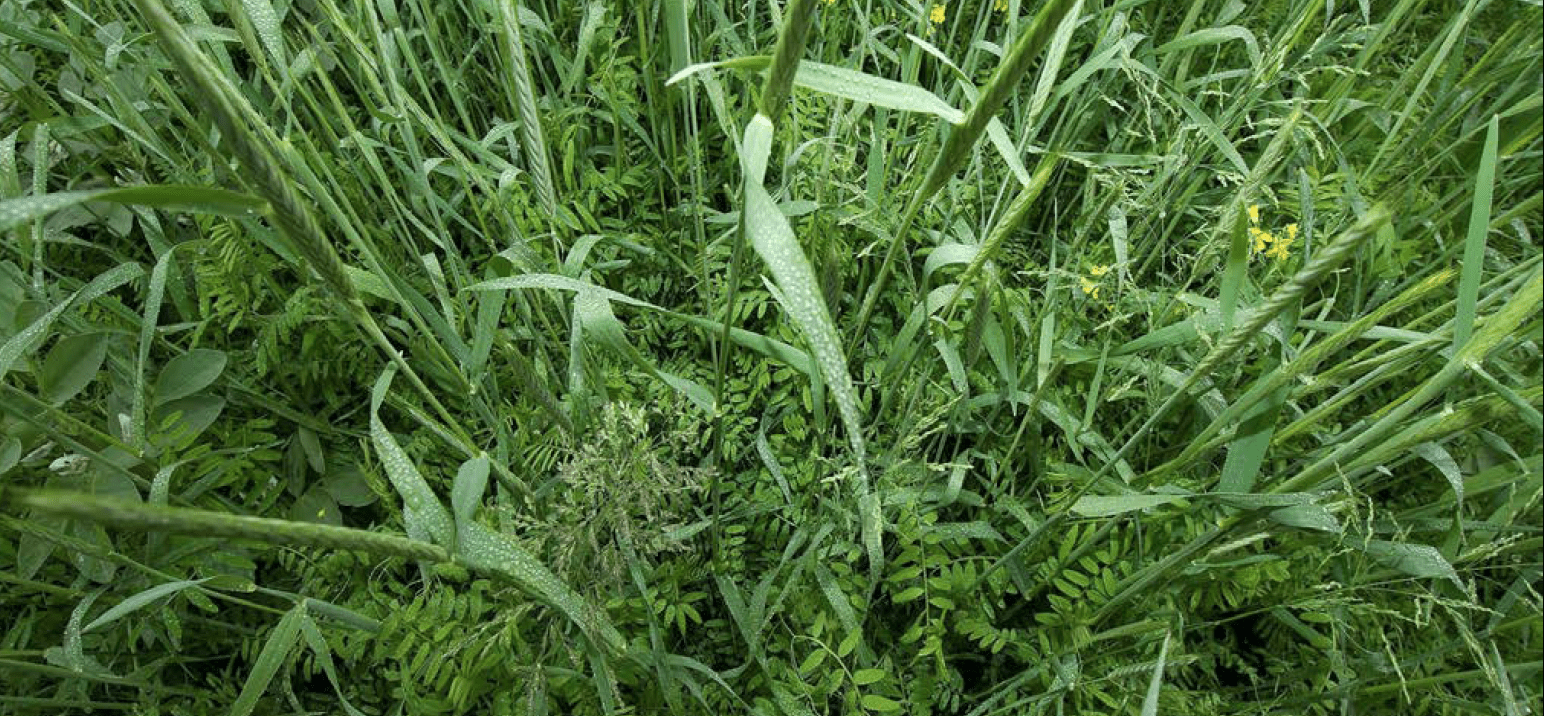
What goes into your soil. What earns its place on your farm. Follow the evidence, from the first question to the next season.
Find your next field noteFour curated routes through the new edition. Read in order, or go straight to the decision in front of you.
Research with a job to do.
Read the context. Question the claim.
Make the decision fit your ground.
Divide the farm into decisions, not convenient buckets. A repeatable sampling plan is the first input worth buying.
Match the water supply, crop blocks and operating routine before comparing rolls of drip tape.
Follow produce, people, bins and wastewater through the space—and find the crossings that matter.
Opaque tarps can hold clean beds and suppress weeds, but timing, species, wind, handling, and plastic life determine the result.
Biochar is not one product or one result. Soil constraints, feedstock, co-amendments, and transport decide whether a trial is sensible.
Bed geometry, lifting and hauling, service access, soil conditions, safety, and annual hours matter more than a horsepower headline.
A field decision guide to disease claims, food-safety boundaries, organic records, and small controlled trials.
Mycorrhizal fungi matter, but commercial products vary. Diagnose the production system, verify viability, and keep an untreated control.
Can microbial nitrogen products cut corn fertilizer? Independent university trials, company data and what it means for your N plan, as of September 2026.
EPA's PFAS biosolids risk assessment, the July 2026 draft guidance (comments due Oct 5, 2026) and state actions, explained for farmers and landowners.
Trace feedstocks, quarantine uncertain loads, and use an extension bioassay before sensitive vegetables meet imported organic matter.
Not every 'organic' fertilizer is what it claims. How OMRI, WSDA and CDFA review inputs, what fraud cases teach, and a checklist before you buy.
Biodegradable mulch film is on the NOP National List, yet no commercial product meets the rules as of September 2026. Here is why, and what to do.
Two 2026 studies disagree on how much plastic mulch adds to soil microplastics. What the evidence shows, and practical ways to cut farm plastic.
Copper rules for organic growers as of September 2026: the EU 28 kg/ha cap, NOP accumulation rules, what soil data shows, and ways to use less copper.
Spinosad and pyrethrins are allowed in organic farming but toxic to bees. What the fact sheets say and how to protect pollinators when you spray.
A barrier works only when mesh, timing, sealing, crop access, and pollination are designed as one production system.
EPA re-registered over-the-top dicamba in Feb 2026. What organic and specialty growers should know about drift, buffers, residue limits and records.
Pests can become resistant to organic sprays. What research shows on spinosad and Bt resistance, and an IPM plan to keep these tools effective.
Organic certification cost share pays the lesser of 75% or $750 per scope for 2025–2026. What counts, who qualifies and how to apply by Dec 31, 2026.
The 2025 budget law moved IRA money into permanent EQIP and CSP funding and dropped climate targeting. What changed and how to approach NRCS in 2026.
As of Sept 17, 2026 the House has passed its farm bill, a Senate panel just advanced one, and the extension ends Sept 30. What eco farmers should watch.
Regenerative Organic Certified, Certified Regenerative, Land to Market, Real Organic Project, Demeter and more compared: baselines, scale and trade-offs.
Soil carbon credits in 2026: who buys, how farmers are paid, why measurement is disputed, what Nori's closure shows, and questions to ask before signing.
The EU adopted its new genomic techniques (NGT) rules in June 2026. NGT plants are banned in organic, but only seeds get labels. What changes and when.
SFI26 reopened in England in 2026 with a £240m budget, a £100k cap and organic conversion payments. Windows, eligibility and what eco farmers should do.
Monarch shut down and sold its technology to Caterpillar; Solectrac's parent was liquidated. What small farms should check before buying electric now.
Carbon Robotics, FarmDroid and Stout are active; Small Robot Company closed and FarmWise and Naïo were rescued. Costs, fit and a vendor-risk checklist.
Three spending stages for bed preparation, seeding, weed control, harvest, and records—without pretending a shopping list fits every farm.
Virtual fence collars from Halter and Nofence promise easier rotational grazing. What is known about how they work, quote-based costs and the risks.
The FTC and five states settled with Deere in July 2026. What the proposed order covers, what still needs court approval, and where state laws fit.
Organic yields run about 5–34% below conventional, depending on crop and management. What Seufert, Ponisio, Rodale FST and DOK found, and their limits.
Six-figure micro-farm claims are self-reported. What USDA Census, ERS and local-food data say about small farm income, and where the data runs out.
The 36-month organic transition means organic costs without organic prices. Premiums, cost share, EQIP and TOPP support as of September 2026.
Sri Lanka's 2021 overnight ban on synthetic fertilizer hit rice and tea hard. What happened, what's still uncertain, and how gradual transitions differ.
Check the crop, units, method and recommendation before treating every low-looking number as a deficiency.
Moisture, nutrient basis, salts and batch identity can change what a cheap load actually delivers.
Build a shortlist around the rotation window, not the longest seed-mix label.
Residue, regrowth, soil water and planting tools determine whether the next crop starts on time.
A practical trial needs a clear comparison, repeated plots and a measurement plan—not just a convincing photograph.
Turn a field walk into comparable observations, a diagnostic question and a recorded next step.
Start with existing refuge, seasonal gaps and exposure risks before adding a new strip.
Use the interval before sowing deliberately—and avoid undoing it with the final pass.
A well-timed pass starts with crop size, weed size, soil condition and a short test run.
A number becomes useful when you know its units, location, depth and relationship to the crop’s roots.
Compare discharge across a working zone before solving a dry patch with a longer irrigation run.
Separate fertility, soluble salts and irrigation-water questions in a protected growing space.
Distinguish air movement inside the structure from exchanging it with outside air.
Track product temperature and airflow before assuming the thermostat has finished the cooling job.
Use a repeatable bench check and a short field pass to separate delivery problems from emergence problems.
Separate annual ownership costs from operating costs, then test how much work the machine will really do.
Check whether your field history can leave the software in a form you can actually use.
Try a broader region or clear the filters. A missing result says nothing about suitability for your farm.
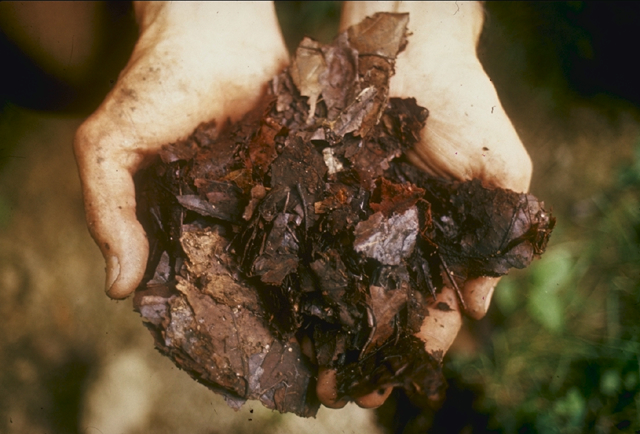
A load of compost carries a history. Trace the feedstock, ask better questions, and understand what a plant bioassay can—and cannot—tell you.
Open the compost field guide Sourcing • plant response • local contextCompare two ways to do a job. Count materials, delivery, labor, and the number of beds you will actually cover.
Open the field workbench52 complete guides, the original research report, and topic briefs—all kept in their source context.
Explore the research library


